
Greetings from Kitchener Dentist Lancaster Dental! Maintaining good oral health is essential not just for your smile but for your overall well-being. In addition to regular dental hygiene practices like brushing and flossing, what you eat can significantly influence the health of your teeth and gums. This article will explore some of the best foods that promote oral health, explain how they work, and discuss their benefits for a healthy lifestyle. Whether you want to enhance your dental routine or make smarter dietary choices, this guide will provide valuable insights into maintaining a healthy mouth.
Introduction to Oral Health and Nutrition
Oral health is closely tied to what you eat. Foods and beverages come into direct contact with your teeth and gums, affecting them in various ways. Some foods can help to strengthen teeth, while others can cause decay or build plaque. Understanding the impact of your diet on oral health can lead to better choices that support tooth strength, gum health, and overall dental wellness.
Why Nutrition Matters for Oral Health
Proper nutrition provides essential nutrients to maintain strong teeth and healthy gums. It supports the body’s immune system, reduces inflammation, and helps prevent common dental issues like gum disease and tooth decay.
Key Nutrients and Their Sources
- Calcium: Essential for strong teeth and bones, calcium can be found in dairy products like milk, cheese, and yogurt; leafy greens; and fortified foods.
- Vitamin D: It helps the body absorb calcium and is available through exposure to sunlight, fatty fish, and fortified milk or cereals.
- Phosphorus: Found in eggs, fish, lean meat, dairy, nuts, and beans, phosphorus plays a critical role in tooth enamel.
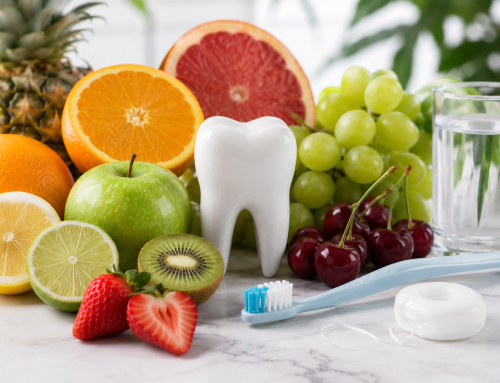
- Vitamin C: Important for gum health, vitamin C can be sourced from citrus fruits, tomatoes, peppers, broccoli, and strawberries.
- Vitamin A: This vitamin is vital for maintaining mucous membranes in the mouth. It can be found in fish, liver, sweet potatoes, and dark leafy greens.
- Water: Drinking plenty of water keeps the mouth hydrated, helps cleanse the teeth and gums, and encourages saliva production.
Best Foods for Healthy Teeth and Gums
Dairy Products
Rich in calcium and phosphorus, dairy products like cheese and yogurt promote the remineralization of tooth enamel, which is vital in fighting tooth decay.
Crunchy Fruits and Vegetables
Apples, carrots, and celery are nutritious and work mechanically to clean teeth and freshen breath, as they require a lot of chewing to break down.
Leafy Greens
Spinach, kale, and other leafy greens are high in calcium, folic acid, and important B vitamins that enhance overall gum health in the mouth.
Nuts and Seeds
Almonds, sunflower seeds, and Brazil nuts are great sources of nutrients and minerals that support tooth health. They also stimulate saliva production, which naturally reduces plaque levels.
Tea and Coffee
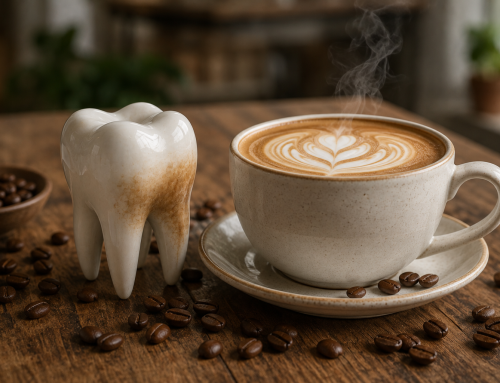
Both green and black teas contain polyphenols that interact with plaque bacteria. These substances either kill or suppress bacteria, preventing them from growing or producing tooth-attacking acid.
Incorporating Oral-Healthy Foods into Your Diet
Making dietary changes can be challenging, but incorporating a few tooth-friendly foods into each meal can help significantly improve oral health. Here are some tips:
- Start your day with a dairy-based breakfast like yogurt, or add a slice of cheese to your morning toast.
- Snack on nuts or crunchy vegetables between meals to keep your saliva flowing.
- Include a serving of leafy greens in your lunches and dinners.
- Opt for green or black tea instead of sugary beverages.
The Impact of Diet on Oral Health
A diet rich in the right nutrients can boost your immune system, lessen the severity of mouth infections, and protect against inflammation and diseases like periodontal disease and gingivitis.
Strategies for Changing Dietary Habits
Changing dietary habits can be daunting, but small, consistent adjustments can lead to lasting benefits. Here are some strategies to help incorporate more oral-health-friendly foods into your diet:
- Plan meals and snacks beforehand: Ensuring healthy options can prevent impulsive, less healthy choices.
- Educate yourself about food labels: Understanding the nutritional content of foods can help you make better choices.
- Cook at home more often: This allows you to control the ingredients and the preparation method, allowing you to make healthier dishes.
Foods to Avoid or Limit
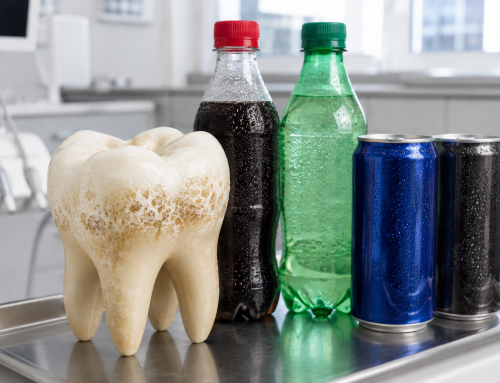
Just as some foods promote oral health, others can jeopardize it. Sugary snacks, drinks, sticky candies, and acidic foods can erode enamel and promote decay. Being mindful of consumption and choosing healthier alternatives when possible can significantly benefit your oral health.
Conclusion
Eating well is a major step toward maintaining good oral hygiene and overall health. By focusing on the best foods for healthy teeth and gums, you improve your dental health and quality of life with a nutritious diet.
If you have any questions about how your diet can affect your oral health or if you need personalized advice, don’t hesitate to contact us at Kitchener Dentist Lancaster Dental. Our team is dedicated to helping you achieve the best possible oral health. Contact us today at 519-578-9670. We’re here to assist you in your journey to a healthier smile and a healthier life!
DISCLAIMER: The advice offered is intended to be informational only and generic in nature. It is in no way offering a definitive diagnosis or specific treatment recommendations for your particular situation. Any advice offered is no substitute for proper evaluation and care by a qualified dentist.