
Most people rarely think about saliva unless their mouth feels unusually dry or they notice a strange taste. Yet saliva plays an important role in keeping your mouth healthy, helping with digestion, protecting your teeth, and controlling bacteria.
Changes in the amount, texture, taste, or even smell of your saliva can sometimes provide useful clues about what is happening inside your mouth or elsewhere in your body. At Kitchener Dentist Lancaster Dental, patients are encouraged to mention any persistent changes they notice, even if they seem minor.
Understanding what your saliva may be telling you can help you recognize potential dental problems earlier and know when to schedule a checkup.
Why Is Saliva So Important?
Saliva does much more than keep your mouth moist. Several salivary glands produce it, and it continuously helps protect your teeth and gums.
Saliva helps wash away food particles, neutralize acids produced by bacteria, and provide minerals that help protect tooth enamel. It also makes chewing and swallowing easier and begins the digestive process before food reaches your stomach.
When saliva production or composition changes, the natural balance inside the mouth can also change. This may increase the risk of cavities, gum problems, bad breath, and oral infections.
What Can Changes in Saliva Tell You?
Occasional dry mouth or an unusual taste is usually nothing to worry about. However, ongoing changes can sometimes indicate an underlying issue.
Persistent Dry Mouth
Dry mouth, also known as xerostomia, occurs when your salivary glands do not produce enough saliva.
It can happen because of dehydration, stress, mouth breathing, certain medications, or medical treatments. Many commonly used medications can reduce saliva production as a side effect.
Persistent dry mouth can make it harder to speak, chew, or swallow. It can also increase your risk of tooth decay because less saliva is available to neutralize acids and wash away bacteria.
If you regularly wake up with an extremely dry mouth or constantly need water to feel comfortable, discuss it with your dentist.
Thick or Sticky Saliva
Saliva that suddenly feels thicker or stickier than usual may be associated with dehydration or reduced saliva production.
Drinking more water may alleviate temporary symptoms, but persistent thick saliva should not be ignored. Your dentist can examine your mouth for signs of dryness, irritation, cavities, or other problems that may be contributing to the change.
A Strange or Metallic Taste
A persistent metallic, bitter, or unpleasant taste can sometimes be associated with oral health problems.
Possible causes include gum inflammation, dental infections, medications, dry mouth, or changes in taste perception. Food trapped around damaged teeth or beneath the gums can also contribute to unusual flavours.
If the taste persists for several days or is accompanied by pain, swelling, bleeding gums, or bad breath, schedule a dental examination.
Can Saliva Detect Health Conditions?
Saliva contains many different substances, including enzymes, proteins, hormones, antibodies, and microorganisms. Because of this, researchers are increasingly studying saliva as a potential tool for detecting certain diseases and monitoring health.
Saliva testing is already used in some medical and dental settings, although it does not replace a professional examination, blood testing, or other diagnostic methods when those are required.
For most patients, the more practical benefit is paying attention to noticeable changes in the mouth. Your dentist may identify signs that suggest further dental treatment or recommend speaking with your family doctor when symptoms appear to extend beyond oral health.
Saliva and Tooth Decay
One of saliva’s most important jobs is protecting your teeth from acids.
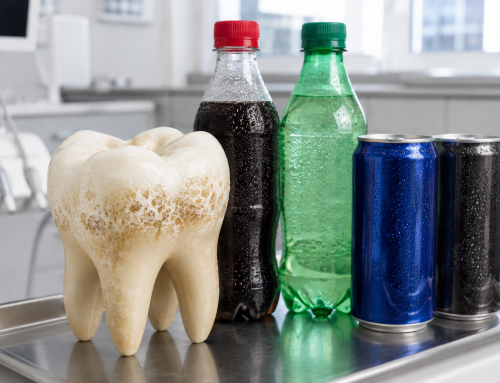
Whenever you eat foods containing carbohydrates or sugars, bacteria in your mouth can produce acids that temporarily weaken tooth enamel. Saliva helps neutralize those acids and supplies minerals that support enamel’s natural repair.
When saliva levels are consistently low, this protective effect decreases.
Someone experiencing chronic dry mouth may therefore develop cavities more quickly than expected, even if their brushing habits have not changed.
During routine appointments, Kitchener Dentist Lancaster Dental can check for early signs of enamel damage, cavities, gum inflammation, and other problems associated with reduced saliva production.
Symptoms You Should Not Ignore
Consider scheduling a dental appointment if you notice symptoms that continue or repeatedly return, including:
- Constant dry mouth
- Difficulty chewing or swallowing
- Thick or unusually sticky saliva
- Frequent bad breath
- Persistent metallic or unpleasant taste
- Burning or irritated sensations in the mouth
- Cracked lips or sores around the mouth
- Rapid development of new cavities
- Bleeding or swollen gums
- Pain or swelling around a tooth or salivary gland
These symptoms do not automatically mean something serious is wrong, but identifying the cause early can make treatment simpler.
Simple Ways to Support Healthy Saliva Production
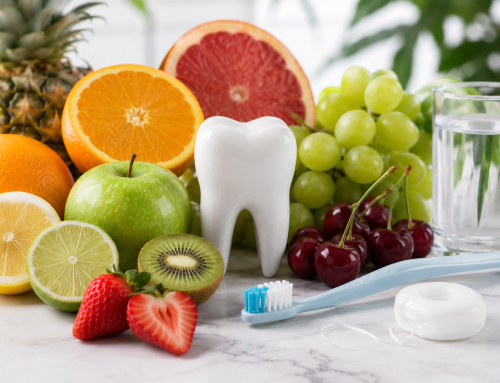
Good hydration is one of the easiest ways to support normal saliva production. Try to drink water regularly throughout the day rather than waiting until you feel very thirsty.
You can also support your oral health by:
- Brushing twice daily with fluoride toothpaste
- Flossing or cleaning between your teeth every day
- Limiting frequent sugary snacks and drinks
- Avoiding tobacco products
- Reducing excessive alcohol consumption
- Chewing sugar-free gum when appropriate to stimulate saliva
- Discussing medication-related dry mouth with your dentist or doctor
- Attending regular dental examinations and cleanings
If a medication appears to be causing dry mouth, do not stop taking it without speaking with the healthcare professional who prescribed it. Your dentist may instead recommend strategies or products that help protect your teeth and keep your mouth more comfortable.
Regular Dental Checkups Can Reveal More Than Cavities
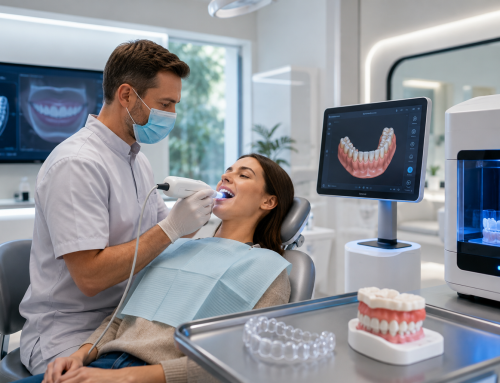
Dental examinations are not only about finding cavities. Your dentist also looks at your gums, tongue, soft tissues, saliva levels, bite, existing restorations, and other changes inside your mouth.
Small changes are often easier to manage when detected early. Regular preventive visits also give you an opportunity to discuss symptoms such as dry mouth, unusual tastes, sensitivity, bleeding gums, or changes that may otherwise be easy to dismiss.
Pay Attention to What Your Mouth Is Telling You
Saliva may seem like a small part of your health, but it performs important protective functions every day. Persistent changes in saliva production, texture, or taste can sometimes be an early sign that your mouth needs attention.
If you have noticed dry mouth, unusual saliva, changes in taste, increased cavities, or another oral-health concern, contact the office at 519-578-9670 to arrange an appointment and speak with Kitchener Dentist Lancaster Dental.
DISCLAIMER: The advice offered is intended to be informational only and generic in nature. It is in no way offering a definitive diagnosis or specific treatment recommendations for your particular situation. Any advice offered is no substitute for proper evaluation and care by a qualified dentist.