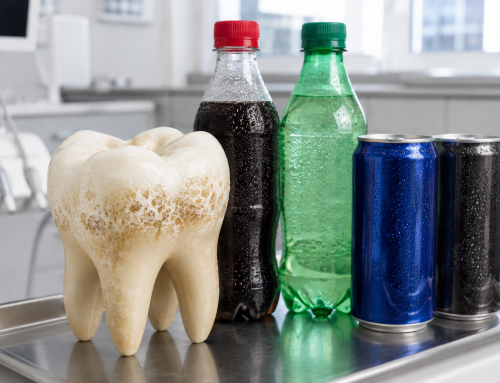

Diabetes is a chronic condition that affects how your body regulates blood sugar (glucose). While it is primarily known for its impact on blood sugar levels, it also plays a crucial role in overall health, including oral health. If left unmanaged, diabetes can contribute to various oral health issues, making it vital for individuals with diabetes and those at risk to understand the connection between the two.
At Kitchener Dentist Lancaster Dental, we are committed to helping all our patients, including those managing diabetes, maintain optimal oral health. This blog will explore the link between diabetes and oral health issues, helping you understand the importance of preventive care and how to protect your smile.
How Does Diabetes Affect Oral Health?
Diabetes can influence oral health in several ways, primarily due to its impact on blood circulation and your body’s ability to fight infections. Below are the key ways diabetes affects your mouth:
Reduced Saliva Production:
- High blood sugar levels can cause dry mouth, known as xerostomia. Saliva is essential for washing away food particles and bacteria in the mouth. A lack of sufficient saliva increases the risk of developing cavities and gum disease.
Higher Risk of Gum Disease (Periodontitis):
- Gum disease is more common and severe in people with diabetes. High blood sugar levels create a favourable environment for bacteria to thrive, leading to infections in the gums and bones that support your teeth.
Delayed Healing:
- People with diabetes often experience slower healing times, which means oral wounds, such as those from surgery or injury, take longer to heal. This increases the risk of infections and complications following dental procedures.
Increased Risk of Oral Infections:
- Diabetes weakens the immune system, making it harder for the body to fight off infections, including those in the mouth. This can result in more frequent or severe oral infections, such as thrush (a fungal infection).
Common Oral Health Problems in People with Diabetes
Managing diabetes is essential for maintaining oral health. Without proper control of blood sugar levels, people with diabetes are at risk of several oral health problems. Some of the most common include:
Gum Disease
- As mentioned earlier, diabetes increases the likelihood of gum disease. Early signs of gum disease, such as redness, swelling, and bleeding gums, can worsen without treatment, leading to periodontitis. If left untreated, periodontitis can result in tooth loss.
Tooth Decay
- Diabetes-related dry mouth can increase the risk of developing cavities. Without enough saliva to neutralize bacteria-produced acids, teeth become more vulnerable to decay.
Fungal Infections
- People with diabetes are more susceptible to fungal infections like oral thrush. Thrush can cause white or red patches in your mouth, discomfort, and difficulty swallowing.
Poor Wound Healing
- Diabetes can slow down your body’s ability to heal, making it harder for you to recover from oral injuries or surgeries. This delayed healing can lead to complications or infections if not properly managed.
How to Protect Your Oral Health If You Have Diabetes
Fortunately, maintaining good oral health with diabetes is possible with the proper steps. Here’s what you can do to reduce your risk of developing diabetes-related oral health issues:
· Control Your Blood Sugar Levels:
Keeping your blood sugar levels within a healthy range is essential to reducing your risk of oral health issues. Regular checkups with your healthcare provider and following their recommended treatment plan can help manage your diabetes.
· Practice Good Oral Hygiene:
Brush your teeth twice daily with fluoride toothpaste and floss daily to remove plaque buildup and prevent cavities and gum disease.
· Visit the Dentist Regularly:
Regular dental visits are crucial for detecting and treating oral health issues early. Your dentist can monitor your oral health, provide professional cleanings, and offer tailored advice based on your condition.
· Stay Hydrated:
Drinking plenty of water can help combat dry mouth by promoting saliva production. Sugar-free gum or candies may also help stimulate saliva flow.
· Quit Smoking:
Smoking can exacerbate both diabetes and gum disease, making it harder to manage both. If you smoke, talk to your healthcare provider about quitting.
Symptoms to Watch for If You Have Diabetes
If you have diabetes, you must know the signs of oral health problems. If you experience any of the following symptoms, schedule an appointment with your dentist as soon as possible:
- Red, swollen, or bleeding gums
- Persistent bad breath
- Dry mouth
- White or red patches inside your mouth
- Pain when chewing or swallowing
- Loose teeth
Early detection and treatment of oral health issues can help prevent more severe complications.
The Importance of Routine Dental Checkups
Regular dental visits are critical for maintaining good oral health for those with diabetes. Kitchener Dentist Lancaster Dental provides comprehensive dental care for all patients, including those managing diabetes. Our team is experienced in identifying and treating oral health issues specific to diabetic patients.
Routine dental checkups allow us to catch any problems early and provide the necessary treatment to keep your smile healthy. During your visit, we’ll evaluate your gum health, screen for cavities, and discuss preventive care tailored to your needs.
Schedule an Appointment with Kitchener Dentist Lancaster Dental
If you have diabetes or are at risk of developing it, taking care of your oral health is more important than ever. At Kitchener Dentist Lancaster Dental, we offer personalized dental care to help you manage the oral health challenges associated with diabetes.
Contact our office at 519-578-9670 to learn more or schedule an appointment. Our team is here to support your oral health and help you achieve a healthy, beautiful smile.
DISCLAIMER: The advice offered is intended to be informational and generic. It is in no way offering a definitive diagnosis or specific treatment recommendations for your particular situation. Any advice provided is no substitute for proper evaluation and care by a qualified dentist.