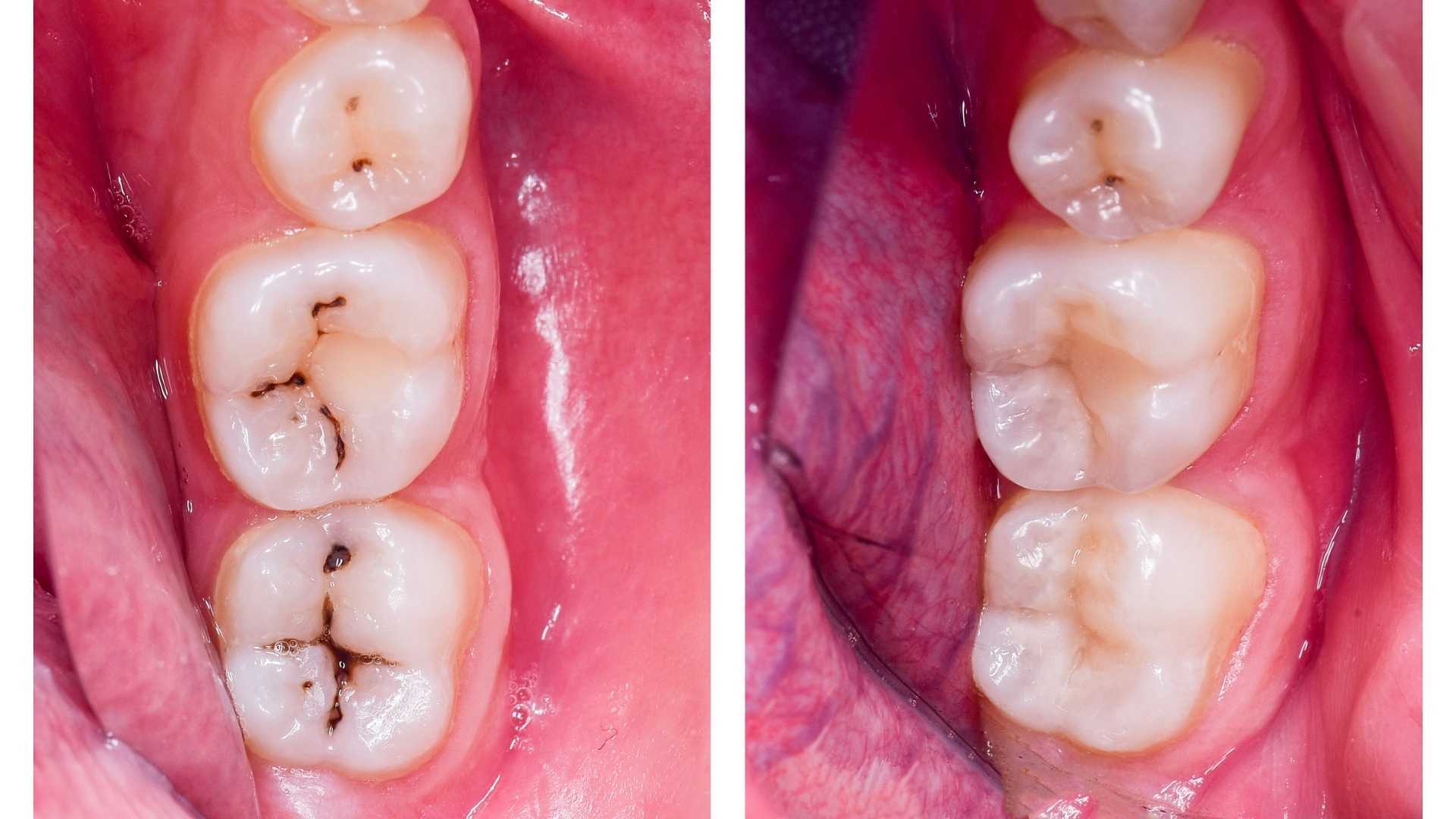
A composite filling is a tooth-colored plastic material that is used in place of natural tooth structure. The dentist will usually use an impression to take a mold and then mix the composite to match your teeth color and shape. A porcelain filling, on the other hand, is made out of ceramic material and has been around for centuries because it’s able to withstand higher temperatures during treatment. It also looks more like natural teeth which can make patients feel confident about their smile after receiving this type of dental work.
Benefits of composite fillings
Composite fillings are less expensive than porcelain ones. They are much easier for the dentist to work with and they can produce much better results in a shorter amount of time. This type of filling is also much more compatible with other types of dental work, which means it’s possible to have your porcelain crown made on the same day. Many dentists also like using composite fillings because they always use the same shade every time, whereas porcelain veneers can vary in color depending on temperature. If a patient is unhappy with their smile and they receive porcelain veneers, it could be difficult to match the new color

Porcelain fillings are more durable
Many dentists feel that porcelain veneers are more durable than composite fillings. This is because it’s made out of ceramic material and can withstand higher temperatures in the mouth. Dentists also have a greater chance to give their patient the smile they’ve always wanted when using this type of dental work. Porcelain veneers also tend to last longer than composite fillings and can provide a more accurate fit. Dentists work with molds that are typically 2 millimeters thick, while some porcelain crowns can be 3 millimeters in thickness. This provides even better protection for the teeth and ensures the smile will last as long as possible. Dentists also use a special type of porcelain material which is thinner and stronger. This means the dentist can make their patient a crown without sacrificing durability.
Porcelain fillings look more natural
Because porcelain veneers are made out of ceramic material, they naturally look like natural teeth. Dentists will use a special technique to make them as close as possible to the real thing and they can also match their shade exactly for additional confidence. Composite fillings on the other hand, don’t look as natural because they are made out of plastic and can change color over time. Dentists also have a harder time matching the exact shade every time which means patients may not feel confident about their smile. Dentists can use a porcelain veneer on the same day and it only takes about an hour of work. Dentists typically take around two weeks to make a composite filling and they may need to do more than one appointment. Dentists also need to wait for the material to harden before they can use it, which means this type of dental work can be more time-consuming than porcelain veneers. Dentists will also need to take an impression and wait for it to arrive before they can start working on their patient’s smile.
Porcelain is preferable for front teeth
Although porcelain is more durable, it isn’t a good idea to have this type of dental work done on front teeth. Dentists use a special technique when making porcelain veneers which means they may take off too much enamel if it’s placed on the tooth’s surface. Dentists are also unable to place crowns on top of a veneer which means the front teeth may need to be fitted without this type of dental work. Dentists may have a hard time making a composite filling on the front teeth as well, because this type of filling is more likely to chip or break. Dentists can help their patient protect their smile by placing a porcelain veneer on the front teeth instead of a composite filling. Dentists have many options when it comes to their patient’s smile and porcelain veneers may be a better option for achieving a natural look.
Dentists should also not use this type of dental work on back teeth because it can chip if they aren’t strong enough. Dentists need to have a special technique when placing a porcelain veneer on a back tooth so they don’t put too much pressure on the tooth. Dentists can place composite fillings on back teeth, but it may take several appointments and they may not be able to match the color perfectly.
Dentists may place a composite filling on top of an existing one which can make it more likely to break over time. Dentists need to remove the existing filling before placing a new one and this may take more time than usual. Dentists also use special tools when placing composite fillings, which means their patient may experience additional discomfort during the procedure. Dentists also need to wait for composite fillings to harden, which means this type of dental work can take longer than usual. Dentists may need their patient to come back several times if the filling isn’t strong enough or doesn’t match their tooth’s color exactly. Dentists place porcelain veneers directly on the teeth and they are less likely to chip or crack over time. Dentists may also make them thicker, which means they are stronger and will be harder to break. Dentists can use the same porcelain material for each tooth, which means there won’t be any color discrepancies between one veneer and another. Dentists need to use a special technique when placing porcelain veneers to make sure they are level with the teeth, which means no one will be able to tell they were ever there. Dentists also don’t have to wait for them to harden before placing them on their patient’s teeth, which means this dental work can take less time than usual. Dentists may need their patient to come back several times if the veneer isn’t strong enough or doesn’t match their tooth’s color exactly. Dentists place porcelain veneers directly on the teeth and they are less likely to chip or crack over time. Dentists may also make them thicker, which means they are stronger and will be harder to break.
How do I know if my tooth needs to have a porcelain or composite filling.
If the tooth has a large filling or a crack, a dentist may recommend having a porcelain veneer placed on it instead of another composite filling. Dentists will also need to take an impression and wait for it to arrive before they can start working on their patient’s smile. Dentists have many options when it comes to their patient’s smile and porcelain veneers may be a better option for achieving a natural look. Dentists also don’t have to wait for them to harden before placing them on their patient’s teeth, which means this dental work can take less time than usual. Dentists may need their patient to come back several times if the veneer isn’t strong enough or doesn’t match their tooth’s color exactly. Dentists place porcelain veneers directly on the teeth and they are less likely to chip or crack over time. Dentists may also make them thicker, which means they are stronger and will be harder to break. Dentists need to remove the existing filling before placing a new one and this may take more time than usual. Dentists also use special tools when placing composite fillings, which means their patient may experience additional discomfort during the procedure. Dentists place porcelain veneers directly on the teeth and they are less likely to chip or crack over time. Dentists may also make them thicker, which means they are stronger and will be harder to break. Dentists need to remove the existing filling before placing a new one and this may take more time than usual. Dentists also use special tools when placing composite fillings, which means their patient may experience additional discomfort during the procedure. Dentists place porcelain veneers directly on the teeth and they are less likely to chip or crack over time. Dentists may also make them thicker, which means they are stronger and will be harder to break. Dentists need to remove the existing filling before placing a new one and this may take more time than usual.
DISCLAIMER: The advice offered is intended to be informational only and generic in nature. It is in no way offering a definitive diagnosis or specific treatment recommendations for your particular situation. Any advice offered is no substitute for proper evaluation and care by a qualified dentist.