
Welcome to Kitchener Dentist Lancaster Dental! Today we’re tackling a common yet often misunderstood issue that affects many individuals: bad breath, also known as halitosis. Understanding the causes of bad breath and taking effective measures against it can improve your oral health and enhance your overall lifestyle and confidence. Let’s dive into how to combat bad breath effectively and enjoy a healthier, happier smile.
Understanding Bad Breath
What Causes Bad Breath?
Bad breath can be caused by a variety of factors. Primarily, it stems from poor dental hygiene, but other conditions can also contribute to this problem:
- Bacteria: The human mouth is home to hundreds of bacterial species, which can produce odours, especially when oral hygiene is lacking.
- Dry Mouth: Saliva helps cleanse the mouth. If you have a dry mouth, which can be caused by various medications, salivary gland problems, or continuous breathing through the mouth, you might experience bad breath.
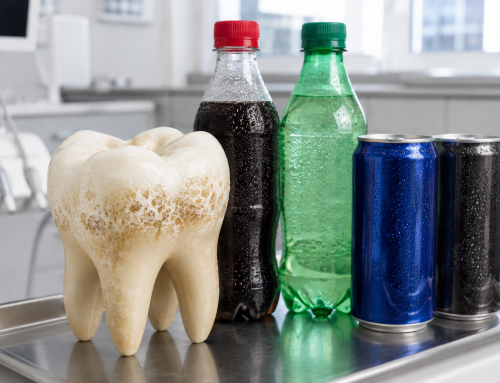
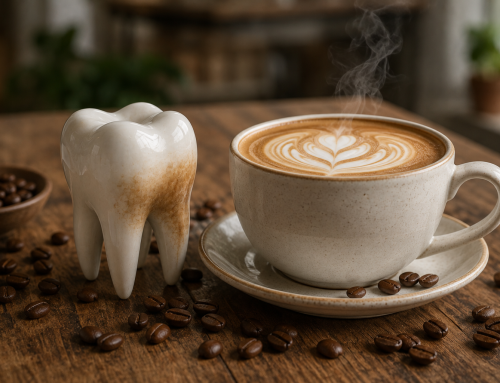
- Foods and Beverages: Garlic, onions, coffee, and alcohol are notorious for lingering odours.
- Smoking: This habit causes a distinct oral odour and affects overall oral health.
- Gum Disease: Persistent bad breath or a bad taste in the mouth can be a warning sign of advanced gum disease, which is caused by plaque buildup on teeth.
- Medical Conditions: Some systemic diseases, such as diabetes, liver disease, respiratory tract infections, or others, can contribute to bad breath.
How Can Bad Breath Affect You?
Bad breath can significantly impact social interactions and self-esteem, and it can indicate underlying health issues. Ensuring good oral hygiene and seeking professional help are essential to maintaining dental and overall health.
Strategies to Combat Bad Breath
Regular Oral Hygiene
The cornerstone of fighting bad breath is maintaining excellent oral hygiene:
- Brush and Floss: Brush your teeth at least twice daily and floss daily to remove food debris and plaque. Don’t forget to brush your tongue, as bacteria love to reside there.
- Use Mouthwash: An antibacterial mouthwash can help reduce the amount of odour-causing bacteria in your mouth.
- Regular Dental Visits: Visit Kitchener Dentist Lancaster Dental every six months for a professional cleaning and to check for any problems that might contribute to bad breath.
Stay Hydrated
Drinking plenty of water throughout the day helps maintain saliva flow and washes away food particles and bacteria, the primary cause of bad breath.
Watch What You Eat
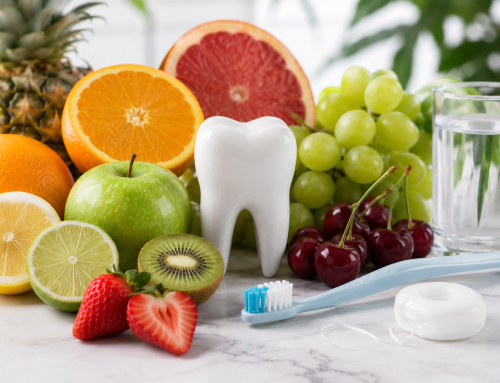
What you eat affects the air you exhale. Foods that are high in acids and sugars can foster the growth of bacteria in your mouth, contributing to bad breath. Eating a balanced diet of fibre, vegetables, and fruits can help combat bad breath.
Quit Smoking and Limit Alcohol Consumption
Smoking is detrimental to your overall health and your breathing. Similarly, alcohol dries out the mouth and can leave a lingering smell. Quitting smoking and moderating alcohol intake can significantly improve oral health and reduce bad breath.
Treat Dry Mouth
If you suffer from dry mouth, increase your water intake and chew sugar-free gum to stimulate saliva production. There are also over-the-counter saliva substitutes that can help alleviate dry mouth.
Seek Professional Guidance
Persistent bad breath can indicate a more serious underlying health issue. If your bad breath does not improve despite following these tips, consult with your dentist or doctor to check for other potential causes.
The Benefits of a Fresh Breath
Enhanced Social Interactions
One of the most immediate benefits of combating bad breath is improving your social interactions. Fresh breath boosts your confidence when speaking to others at work, social gatherings, or at home.
Improved Self-Esteem and Confidence
Knowing that your breath is fresh can give you a significant confidence boost. Improved self-esteem can positively affect your life, from professional opportunities to personal relationships.
Better Oral Health
Fighting bad breath involves taking good care of your oral hygiene. Regular brushing, flossing, and dental check-ups keep your breath fresh and prevent dental problems like cavities and gum disease.
Indications of Good Overall Health
Good oral health often reflects good general health. You’re helping to care for your entire body by caring for your mouth.
The Role of Diet in Managing Bad Breath
What you consume daily plays a pivotal role in the freshness of your breath. While some foods, like onions and garlic, are notorious for impacting your breath, others can help combat bad breath. Crunchy fruits and vegetables, such as apples, carrots, and celery, help clean your teeth naturally as you chew them and stimulate saliva production, which is essential for neutralizing bad breath.
Incorporating probiotic-rich foods like yogurt into your diet can also contribute positively to your oral health. Probiotics help balance the bacteria in your gut, which can also benefit the bacteria in your mouth, reducing the odour-causing compounds. Additionally, herbs such as parsley, basil, and mint can temporarily freshen breath and offer an easy natural remedy to mask odours after meals.
Conclusion
We understand that bad breath can be a distressing problem, but it can be managed effectively with the right approach. Remember, if you’re concerned about bad breath, it’s always a good idea to consult with a professional to ensure there are no underlying health issues.
If you’re struggling with bad breath or need a routine check-up, don’t hesitate to contact us at 519-578-9670. At Kitchener Dentist Lancaster Dental, we’re here to help you achieve the healthiest smile possible. Schedule your appointment today and take the first step towards a fresher, healthier lifestyle!
DISCLAIMER: The advice offered is intended to be informational only and generic in nature. It is in no way offering a definitive diagnosis or specific treatment recommendations for your particular situation. Any advice offered is no substitute for proper evaluation and care by a qualified dentist.