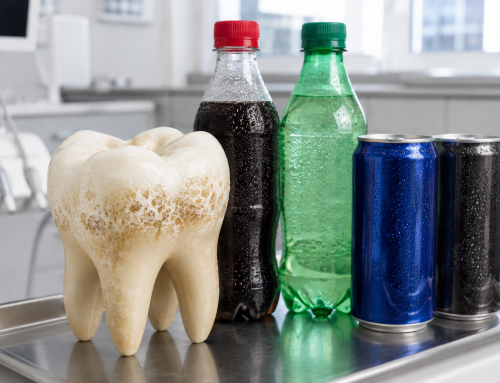

Periodontal Disease is a common condition that affects your oral and overall health. The disease progresses in stages and it’s important to know the early signs of Periodontal Disease, so you can take care of your teeth before the infection worsens. It’s important for all adults to see their dentist on a regular basis as part of an effective preventative dental plan.
Signs of Periodontal Disease
Receding gums
Gums that appear to be shrinking away from the teeth. This can also be referred to as a “receding gum line” or a “reduced gingival margin” and is most commonly caused by plaque buildup, but it might also be due to normal wear and tear of your gums.
Pocket formation
A pocket is a small gap that forms between the tooth and the gum line. It’s not always visible, but it can be felt as a dip or depression with your fingertip when you run it along the gum line.
Bad breath
Bad breath is often caused by bacteria eating away at the tissues and releasing foul-smelling odors. The most common cause of bad breath, however, is tooth decay and gum disease.
If you notice any of these signs of Periodontal Disease, it’s important to visit your Dentist as soon as possible. Left untreated, the disease can spread below the gum line and cause further complications.
A Dentist can determine if you have Periodontal Disease using a number of tests, including taking X-rays, a pocket probing, and an evaluation of your gums. Dentists can also remove plaque from teeth during a regular cleaning to help prevent further plaque buildup or bone loss.
Early Symptoms
Early symptoms of Periodontal Disease often resemble other, less serious conditions. Dentists can identify the early signs of periodontal disease by taking X-rays and using a microscope to view your gums more closely.
Some of the early symptoms include
-Redness along the gum line
-Tender or bleeding gums, swollen gums, and loose teeth
-Swollen lymph nodes in your neck
These are easy to treat if caught early enough, but without treatment will cause more serious health issues. Dentists can identify and treat early signs of periodontal disease to prevent the condition from worsening.
Habits that may cause Periodontal Disease
Gum Disease is caused by plaque buildup on your teeth. Plaque hardens into tartar, which can irritate or inflame the gums if it’s not removed. The condition typically worsens over time and leads to bone loss around the root of the tooth.
Common habits that may cause gum disease are smoking, chewing tobacco, and excessive drinking. Dentists can remove tartar buildup during a cleaning to help control the condition. Dentists may also prescribe antibacterial rinses or medications to reduce inflammation in severe cases of gum disease. Dentists can also help you identify the warning signs of gum disease and schedule regular checkups to ensure that it doesn’t get out of control.
Keeping your teeth properly, flossing between your teeth, and brushing twice a day with an antibacterial toothpaste can help you stay healthy. Dentists may also recommend regular cleanings to remove tartar buildup.
What is the Treatment for Periodontal Disease?
Periodontal Treatment Dentists use a number of treatments to treat gum disease. Dentists may prescribe antibiotics to reduce inflammation caused by bacteria, or if the infection has spread to surrounding tissue or bone. Dentists can also provide pain relief with sedation or local anesthetics. Dentists may recommend deep cleanings called scaling and root planning, which removes plaque and tartar at the root to control bacteria. Dentists may also repair damage by performing a surgery called osseous surgery that stimulates the formation of new bone and creates a supportive barrier around affected teeth and gums. Dentists can also perform cosmetic procedures such as tooth extractions or gum grafts to improve your smile. Dentists may provide you with a referral to periodontal therapy if your case of periodontal disease requires further treatment. Dentists can also prescribe mouth rinses and antibacterial medications in some cases. Dentists may also recommend lifestyle changes such as quitting smoking or chewing tobacco, eating a healthy diet that includes green vegetables, and limiting the amount of alcohol you drink. Dentists can also provide a referral to a periodontist, which is a specialist who focuses on the treatment of gums and other periodontal diseases. Dentists can help you schedule regular appointments for cleanings to remove tartar buildup from your teeth and control plaque formation. Dentists may also recommend deep cleanings or scaling and root planing to remove tartar buildup from below the germline.
Tips on Oral Hygiene and Dental Care for a Healthy Smile
Maintaining a healthy mouth and teeth is not as easy as it may seem. There are many different factors that contribute to the well-being of your smile such as good oral hygiene, regular dental checkups, and avoiding certain foods. However, there are times when it is nearly impossible to avoid getting plaque build-up on your teeth or contracting some form of infection. At this point you must take measures to prevent bacteria from causing more harm than good. One way of doing this is by recognizing the signs of periodontal disease that may be beginning to form in your mouth. In order to know what you should be looking for, it’s important to understand what periodontal disease is.
Periodontal disease is a bacterial infection in the gum and bone structure surrounding teeth that remains unseen until symptoms begin to develop. Left untreated, this condition could potentially lead to tooth loss and even systemic effects on your entire body.
There are many signs to watch out for when trying to diagnose periodontal disease. Some of these include: red, swollen, or tender gums; bad breath; bleeding while brushing your teeth; and loose teeth with no trauma like hitting them on hard surfaces. If you do notice any of these symptoms it is imperative that you contact your dentist as soon as possible.
Different types of treatment for periodontal disease.
Different types of treatment for periodontal disease include scaling and root planning, deep cleaning below the gum line. For more severe cases surgery may be required to replace missing teeth or surgically reshape bone or tissue around teeth damaged by gum disease.
Bacteria, food particles and mucus can build up between the teeth , eventually resulting in gum disease. Gum disease is a serious condition that could lead to tooth loss if not treated immediately. Dentists are required to check the gums of their patients regularly for early signs of disease. Dentists are also able to treat gum problems before they get worse. Dentists can also explain to their patients what they can do to prevent tooth loss. Dentists and dental hygienists may recommend patients to floss and/or brush their teeth more often than they currently do. Dentists, dental hygienists and other oral health professionals work hard to help people maintain healthy gums so that their natural teeth can last a lifetime.
DISCLAIMER: The advice offered is intended to be informational only and generic in nature. It is in no way offering a definitive diagnosis or specific treatment recommendations for your particular situation. Any advice offered is no substitute for proper evaluation and care by a qualified dentist.