
Your smile is one of your most valuable assets; protecting it should be a top priority. But did you know that the enamel on your teeth, the hardest substance in the human body, can wear down over time? This process, known as enamel erosion, can lead to increased tooth sensitivity, discolouration, and tooth decay. At Kitchener Dentist Lancaster Dental, we understand the importance of preserving your enamel to ensure your teeth remain strong and healthy for years to come. In this blog, we’ll explore the best ways to prevent enamel erosion, offering practical tips and expert advice to help you maintain a beautiful smile. Remember, your dental health is just a phone call away—contact us to schedule your next appointment.
What is Enamel Erosion?
Definition and Explanation
Enamel is the thin outer covering of the teeth, acting as the first line of defence against physical and chemical damage. Despite being incredibly strong, enamel is not indestructible. Enamel erosion occurs when acids wear away this protective layer, gradually thinning it out. Unlike other tissues in the body, enamel does not regenerate, which means it’s gone for good once it’s gone. This irreversible process can lead to a host of dental problems, making it essential to take steps to protect your enamel.
Common Causes of Enamel Erosion
Enamel erosion can be caused by various factors, many of which are linked to everyday habits and dietary choices. Understanding these causes is the first step in preventing further damage.
Dietary Factors
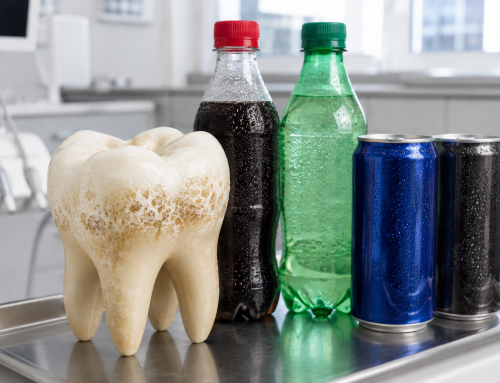
The foods and beverages you consume play a significant role in enamel erosion. Acidic items, such as soda, citrus fruits, and certain candies, can weaken the enamel over time. When these acids encounter your teeth, they begin to break down the minerals in the enamel, leading to erosion. Even healthy foods like tomatoes and oranges can contribute to enamel erosion if consumed excessively.
Poor Oral Hygiene
Failing to maintain proper oral hygiene can also contribute to enamel erosion. Plaque, a sticky film of bacteria, can build up on your teeth and produce acids that erode enamel. If you’re not brushing and flossing regularly, plaque accumulation can accelerate the erosion process, leading to more significant dental issues down the road.
Medical Conditions
Certain medical conditions can increase the risk of enamel erosion. For instance, acid reflux, also known as gastroesophageal reflux disease (GERD), causes stomach acid to travel back into the mouth, eroding the enamel. Similarly, dry mouth, a condition with insufficient saliva production, reduces the mouth’s ability to neutralize acids, making enamel more vulnerable to erosion.
The Best Ways to Prevent Enamel Erosion
Now that we’ve covered the causes of enamel erosion let’s explore the best strategies to prevent it. Incorporating these practices into your daily routine protects your enamel and maintains a healthy smile.
Maintain a Balanced Diet
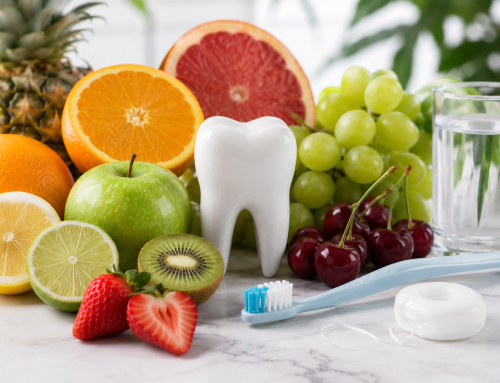
A well-balanced diet is essential for overall health and is crucial in protecting your enamel. Foods rich in calcium and phosphate, such as dairy products, leafy greens, and nuts, help strengthen enamel and make it more resistant to acids.
- Avoid or Limit Acidic Foods and Drinks: While avoiding all acidic foods is nearly impossible, being mindful of your intake can make a significant difference. Try to limit your consumption of sodas, fruit juices, and other acidic beverages. Consider using a straw to minimize direct contact with your teeth when you indulge.
- Pair Acidic Foods with Neutralizing Options: Eating acidic foods with non-acidic foods can help neutralize the acids and reduce their impact on your enamel. For example, pairing a slice of cheese with a piece of fruit can provide a protective effect.
Practice Good Oral Hygiene
Good oral hygiene is the foundation of dental health and is particularly important for preventing enamel erosion. Brushing and flossing correctly can help remove plaque and reduce erosion risk.
- Brush with Fluoride Toothpaste: Fluoride is a mineral that helps strengthen enamel and makes it more resistant to acid attacks. Make sure to brush your teeth twice a day with fluoride toothpaste. Additionally, using a soft-bristled toothbrush can prevent you from brushing too aggressively, contributing to enamel wear.
- Floss Daily: Flossing removes food particles and plaque between your teeth, areas your toothbrush can’t reach. This helps reduce the risk of plaque buildup and subsequent enamel erosion.
Regular Dental Check-ups
Regular visits to the dentist are essential for maintaining good oral health and preventing enamel erosion. At Kitchener Dentist Lancaster Dental, we recommend scheduling check-ups at least twice a year. During these visits, we can monitor your enamel health, provide professional cleanings, and offer personalized advice on protecting your teeth.
- Professional Fluoride Treatments: In some cases, your dentist may recommend professional fluoride treatments to strengthen your enamel. These treatments involve applying a concentrated fluoride solution to your teeth, providing a stronger defence against acids.
Use of Fluoride Treatments
Fluoride is a powerful tool in the fight against enamel erosion. It works by remineralizing weakened enamel and making it more resistant to acid attacks. There are several ways you can incorporate fluoride into your dental care routine.
- Use a Fluoride Mouthwash: Rinsing with a fluoride mouthwash once a day can provide extra protection for your enamel. Look for mouthwashes specifically designed to protect against enamel erosion.
- Consider Fluoride Supplements: If you live in an area where the water supply is not fluoridated or if your dentist recommends it, fluoride supplements may be a good option. These can be tablets, drops, or lozenges.
Signs of Enamel Erosion to Watch For
Awareness of the signs of enamel erosion can help you act before the problem worsens. Here are some common indicators that your enamel may be eroding:
- Increased Sensitivity: If you notice that your teeth are more sensitive to hot, cold, or sweet foods, it could be a sign of enamel erosion. The underlying dentin is exposed as the enamel wears away, leading to increased sensitivity.
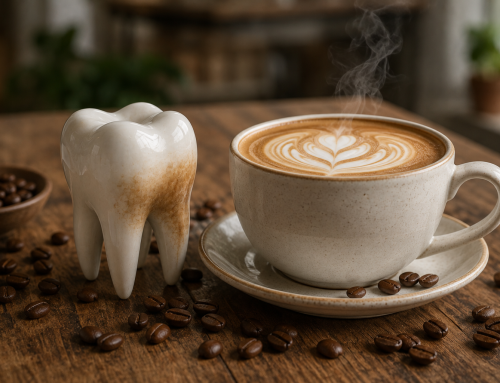
- Discoloration: Thinning enamel can cause your teeth to appear yellow as the dentin underneath becomes more visible. This discoloration can be a sign that your enamel is wearing down.
- Cracks and Chips: Weakened enamel is more prone to cracking and chipping. It could be a sign of enamel erosion if you notice small cracks or chips in your teeth.
Simple Ways to Reduce Enamel Erosion Risk
- Drink acidic beverages with a straw to minimize contact with teeth.
- Rinse your mouth with water after consuming acidic foods or drinks.
- Wait at least 30 minutes after eating to brush your teeth.
- Avoid brushing too hard or using abrasive toothpaste.
- Consider using toothpaste designed to protect enamel.
Conclusion
Enamel erosion is a serious concern that can affect your dental health. By understanding the causes and taking proactive steps to prevent it, you can keep your enamel strong and your smile bright. At Kitchener Dentist Lancaster Dental, we’re here to help you every step of the way. If you have any concerns about enamel erosion or need advice on protecting your teeth, don’t hesitate to contact us at 519-578-9670. Schedule an appointment today, and let us help you maintain a healthy, beautiful smile.
DISCLAIMER: The advice offered is intended to be informational only and generic in nature. It is in no way offering a definitive diagnosis or specific treatment recommendations for your particular situation. Any advice offered is no substitute for proper evaluation and care by a qualified dentist.